







Search Results for: Geisha Classification
An Analysis of the Variety Classification, Origin, and Flavor Profile of Geisha Coffee Beans
Is Geisha actually an Arabica variety? It emerged from the wild forests of Ethiopia, journeyed through Kenya, Uganda, Tanzania, and Costa Rica, and finally made a stunning debut in Panama, becoming the new king of the specialty coffee world. This article will trace Geisha's variety classification and transmission path, review its championship history at the Panama Best of Panama cupping competition and the SCAA International Grand Reserve cupping competition, and describe its green bean appearance, aroma characteristics, and key points in choosing roast level. Whether you are a beginner just encountering Geisha or a seasoned connoisseur wanting to understand this bean in depth, you will gain a clear and complete understanding from it. [more…]

Geisha Coffee Beginner's Guide: Variety Characteristics, Grade Classification, and Cost-Effective Choices Explained
Geisha coffee is hailed as the most sought-after coffee variety in the world, and its distinctive floral and citrus notes captivate countless enthusiasts. However, Geisha coffee trees have extremely low yields and demanding growing conditions, keeping prices stubbornly high. This article will guide you through the varietal characteristics of Geisha coffee beans, introduce the Red Label, Green Label, and Blue Label grading system of Panama's Hacienda La Esmeralda, and present two cost-effective paths to achieving "Geisha freedom": Geisha blends represented by Butterfly, and entry-level lots from various representative estates. Front Street Coffee will also share its own experience to provide you with practical buying advice. [more…]
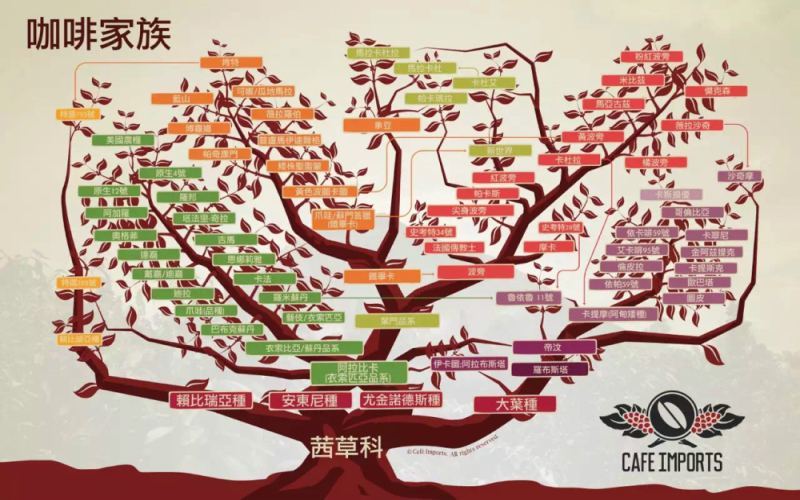
Geisha Coffee Variety Classification and Flavor Analysis: The Legendary Journey from Ethiopian Heirloom Varieties to Panama's Hacienda La Esmeralda
Geisha is a highly acclaimed top-tier variety in the coffee world, but which variety does it actually belong to? Is it Arabica? What makes its flavor and mouthfeel so unique? How does its acidity perform? This article traces Geisha's legendary journey from its discovery in the forests of the Gesha region of Ethiopia in 1931, through Kenya, Costa Rica's CATIE, and finally to its spectacular rise at Hacienda La Esmeralda in Panama. It also compares the differences in bean appearance and flavor between Panamanian Geisha and Ethiopian Geisha, and shares Front Street Coffee's brewing reviews of Hacienda La Esmeralda's Red Label and Gesha Village's Gold Label, offering you a comprehensive understanding of this fascinating variety. [more…]

Panama Hacienda La Esmeralda Geisha Coffee Grade Classification: Flavor, Taste, and Brewing Key Points of Red Label, Green Label, and Blue Label
In the world of specialty coffee, Jamaica Blue Mountain, Hawaii Kona, and Geisha are considered the top choices, and the Geisha produced by Panama's Hacienda La Esmeralda is the finest among them, known for its intense floral aroma and fruity notes. Hacienda La Esmeralda classifies its Geisha into three grades—Red Label, Green Label, and Blue Label—based on growing altitude and cupping scores, each corresponding to different plots and processing methods, with distinctive flavor profiles. Front Street Coffee has acquired several lots of Hacienda La Esmeralda Geisha, comparing the flavor differences between washed and natural processing through cupping, and sharing parameter recommendations for light roasting and staged brewing, to help coffee enthusiasts choose the Geisha that suits their personal preferences. [more…]
Panama Hacienda La Esmeralda Green Label Geisha: A Full Breakdown of Grade Classification, Washed Flavor Profile, and Pour-Over Parameters
In the world of specialty coffee, the Geisha from Panama's Hacienda La Esmeralda is an inescapable legend. After rising to fame in 2004, the estate not only elevated Geisha to cult status but also took the lead in establishing a rigorous grading system. Among these, Green Label Geisha, though not part of the auction, has won the favor of many enthusiasts with its classic high-altitude flavors and approachable positioning. From the perspective of Front Street Coffee, this article traces the estate's origin story, plot divisions, and grading logic, with a focus on decoding the washed processing method and cupping performance of Green Label Geisha, along with a complete pour-over brewing recipe and parameter recommendations, guiding you through a systematic understanding of this benchmark Geisha's flavor code from seed to cup. [more…]
Analysis of the Flavor of Panama Geisha Cold Drip Extraction: Emerald Estate Geisha Grade Classification and the Reasons Behind Its Price
Geisha, with its rich floral aroma and refined notes of citrus and complex fruits, has an extremely high recognition in the specialty coffee circle. Front Street Coffee's bean list offers a variety of Geisha options, among which the Esmeralda Natural Red Label Geisha and Esmeralda Washed Green Label Geisha are the most recommended. Red Label, or Esmeralda Special, is the estate's highest grade and can be traced to a specific plot; Green Label, originally named Private Collection, is a blended harvest lot with excellent value for money. This article will cover the varietal origins and pricing factors of Geisha, the discovery history and grading system of Esmeralda Estate, and, using Esmeralda Green Label as an example, share the brewing parameters and complete steps for iced drip coffee, and finally describe the flavor performance and drinking suggestions of the finished cup. [more…]

An In-Depth Analysis of the Grade Classification and Scarcity Characteristics of Panama Hacienda La Esmeralda Black Label Geisha Coffee Beans
In recent years, the popularity of Geisha in the specialty coffee world has continued to climb, and Hacienda La Esmeralda in Panama, as the core estate that propelled this variety to its peak, has always drawn close attention for its grading system. Besides the familiar Red Label, Green Label, and auction lots, a new grade called "Black Label" has quietly appeared on the market—not only is it expensive with extremely low production, but information about it is also rather mysterious. This article will systematically sort out the Geisha grading framework of Hacienda La Esmeralda and take a deep dive into the definition of Black Label Geisha, its source plots, degree of scarcity, and the experimental processing techniques involved behind it, helping coffee enthusiasts fully understand the true face of this brand-new grade. [more…]
An Analysis of Arabica Coffee Bean Flavor Characteristics: From Variety Classification to Comparison with Robusta
Arabica coffee accounts for 70–80% of global coffee production and is widely recognized as the coffee species with superior flavor expression. But Arabica is not a single variety; under it fall many branches such as Typica, Bourbon, and Geisha, each with clear differences in bean shape, flavor, and cultivation characteristics. From the perspective of Front Street Coffee, this article systematically sorts out Arabica coffee's origins and distribution, the characteristics of its caffeine and sugar content, and its core differences from Robusta in price, flavor, disease resistance, and other aspects, and introduces one by one the appearance characteristics and flavor tendencies of subdivided varieties such as Typica, Maragogype, Pacamara, the Bourbon family, and Geisha, helping coffee enthusiasts build a complete framework of variety knowledge. [more…]
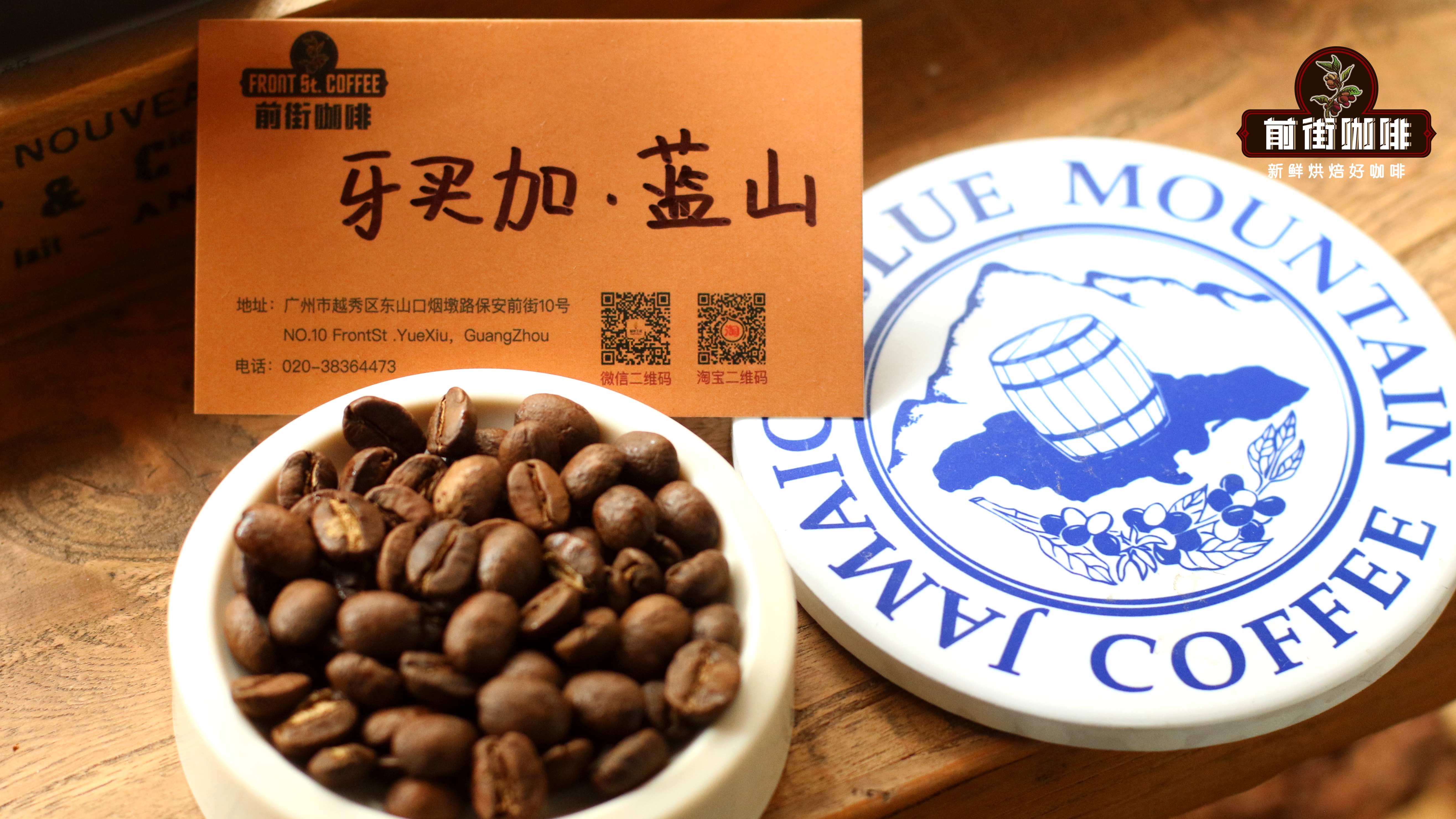
Top Ten Specialty Coffee Bean Brands in the World: A Guide to Common Varieties, Flavor Profiles, and Grade Classification
The world of specialty coffee is wonderfully diverse, from the classic balance of Jamaican Blue Mountain to the rich intensity of Indonesian Mandheling, and the floral-citrus notes of Ethiopian Yirgacheffe—each origin has its own unique charm. This article selects the world's ten most representative specialty coffee bean brands, covering Front Street Blue Mountain No. 1, Front Street Golden Mandheling, Front Street Yirgacheffe, Front Street Brazil Queen's Estate, Front Street Colombia Pink Bourbon, Front Street Kenya Little Tomato, and Front Street Panama Boquete Geisha, among others, detailing each coffee's origin, altitude, variety, processing method, and flavor characteristics, helping coffee lovers gain a comprehensive understanding of specialty coffee bean varieties, characteristics, and grade classifications, and find the cup that best suits their taste. [more…]
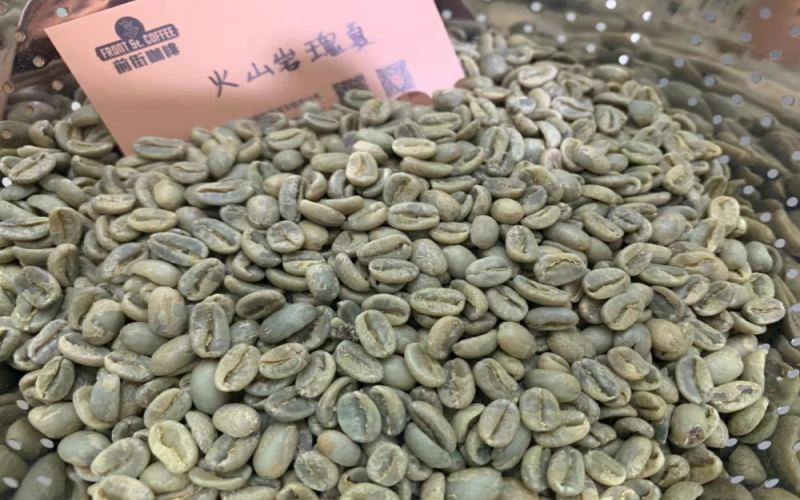
A Complete Guide to Panama Hacienda La Esmeralda Geisha Blue Label: Production Areas, Grade Classification, and Pour-Over Brewing Guide
In 2021, Hacienda La Esmeralda paused the release of Blue Label Geisha and continued this tier under the Las Rocas brand. This article provides a complete overview of the microclimates and plot divisions of Hacienda La Esmeralda's three major Geisha production areas, explains in detail the differences among the three tiers—Red Label, Green Label, and Blue Label—in altitude, cupping score, and processing method, and focuses on the processing flow of the Natural Blue Label and the Guardiola drying process. It also shares Front Street Coffee's medium-light roast profile, three-stage brewing parameters with 91°C water temperature, and flavor comparison descriptions of the Red, Green, and Blue Labels, helping coffee enthusiasts fully understand the origins and brewing key points of this approachable version of Esmeralda Geisha. [more…]
Panama Red Label Geisha and Colombia Hacienda La Esperanza Geisha: A Comprehensive Analysis of Origin Estates, Grade Classification, and Pour-Over Brewing
Geisha coffee is widely recognized as the most exceptional coffee variety in terms of flavor today, but the quality of Geisha produced in different regions and on different estates varies significantly. This article will systematically trace the journey of Geisha from the forests of Ethiopia to the world, focusing on the grading system and flavor characteristics of Panama Hacienda La Esmeralda's Red Label, Green Label, and Blue Label, and extending to the Geisha performance of Colombia's Finca La Esperanza. At the same time, drawing on Front Street Coffee's practical brewing experience, it offers brewing parameters and technique suggestions for different Geishas, helping coffee enthusiasts gain a more comprehensive understanding of this variety's origin logic and key tasting points. [more…]
Typica and Arabica Relationship Explained: Coffee Variety Classification, Flavor Characteristics, and Processing Methods Overview
Many people ask what exactly the difference is between Typica and Arabica—in fact, Typica is an ancient variety under the Arabica species. This article starts with the three major native coffee species, outlining the characteristic differences between Arabica, Robusta, and Liberica, then takes a deeper look at the origins, flavor profiles, and cultivation traits of well-known varieties such as Typica, Bourbon, Caturra, Catuai, and Geisha. It also combines the growing regions, altitudes, and processing methods of several representative products from Front Street Coffee to help coffee enthusiasts build a clear framework for understanding coffee varieties. [more…]
Panama Specialty Coffee Regions and Geisha Grade Classification, Plus Front Street Pour-Over Parameters
Panama is a pivotal origin in the global specialty coffee landscape, and when it is mentioned, most people first think of Geisha. This variety is renowned for its clean cup profile and richly layered fruit notes, and Hacienda La Esmeralda's grading system for Geisha—Red Label, Green Label, and Blue Label—has long been a favorite topic among enthusiasts. When selecting Panamanian beans, Front Street Coffee takes terrain, altitude, and processing methods into comprehensive consideration, and has listed a number of coffees from the Boquete and Volcán regions, including Butterfly, Elida, Hartmann, and Geisha of different grades. This article will sort through the historical origins of Panamanian coffee, the characteristics of its two core producing regions, and the logic behind Hacienda La Esmeralda's Geisha grading, and will also include Front Street's pour-over brewing parameters for Panamanian Geisha for your reference. [more…]
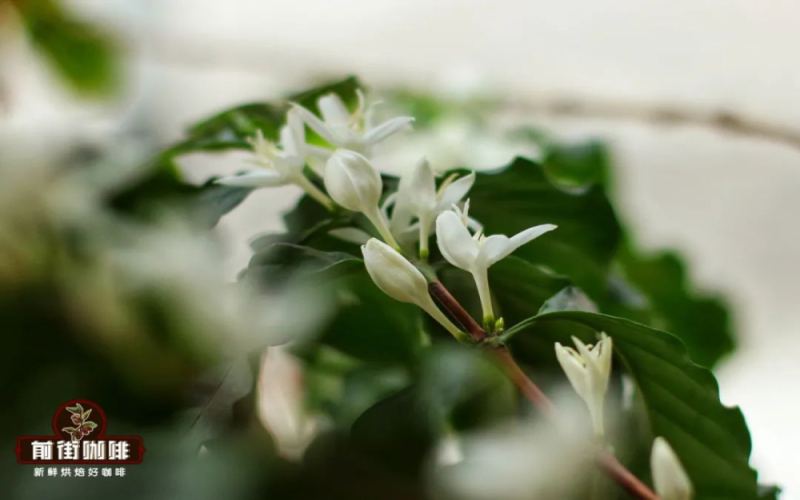
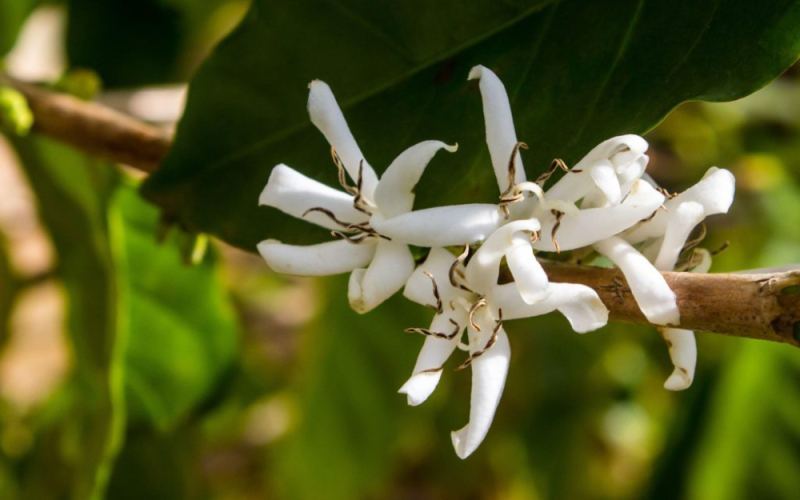
The Formation Principles and Flavor Classification of Coffee Floral and Fruity Notes, An Analysis of Coffee Flower Characteristics, and A Roundup of Floral Coffee Bean Recommendations
Where do the floral and fruity notes in coffee actually come from? What kind of aroma do coffee tree blossoms naturally carry? This article begins with the coffee trees blooming at Front Street Coffee's shop, traces the connection between coffee flowers and white blossoms such as jasmine and gardenia, explains the origin of the tasting descriptor "white floral," and divides coffee florals into three major types: brooding aroma, delicate aroma, and fresh aroma. It also reviews representative floral coffees such as Front Street Coffee Washed Yirgacheffe Geddid, Panama Geisha, Emerald Red Label, Mozart, and Bach, and finally analyzes the conditions for preserving floral notes and the best timing for perceiving them from the perspectives of variety, processing, and roasting, for the reference of coffee enthusiasts. [more…]
A Comprehensive Analysis of Hacienda La Esmeralda Geisha Red, Green, and Blue Labels: Origin Story, Grade Classification, and Flavor Comparison
Panama's Hacienda La Esmeralda Geisha coffee beans, with their unique floral and fruity aroma and exceptional quality, have become a legend in the specialty coffee world. This article will take you through the story of Geisha from its discovery to world fame, and explain in detail Hacienda La Esmeralda's plot divisions and the differences between its three grades: Red Label, Green Label, and Blue Label. At the same time, we have compiled the flavor characteristics, roasting recommendations, cupping reports, and brewing parameters of three Geisha coffees, along with practical recommendations from Front Street Coffee. Whether you are a seasoned enthusiast or a first-time taster, you will find valuable information here. [more…]
A Comprehensive Interpretation of the Coffee Flavor Wheel: From Compounds to Sensory Classification, Mastering the Correct Approach to Coffee Flavor Tasting
Every cup of coffee contains thousands of aromatic compounds, and these substances interweave into a complex and fascinating flavor profile. The coffee flavor wheel, developed through research by the SCAA (Specialty Coffee Association of America) in collaboration with several universities, provides tasters with a systematic descriptive language. This article will guide you through the origins and composition of coffee flavors, explain the meanings of approximately eighty-five flavors across nine major categories on the flavor wheel, and describe how floral, fruity, nutty, cocoa, spice, and fermented flavors form during roasting and processing. At the same time, we will also introduce the flavor characteristics of specific coffees such as Front Street Yirgacheffe, Front Street Geisha, and Front Street Mandheling, helping you more accurately identify and express coffee flavors in daily life. [more…]
A Complete Guide to Panama Hacienda La Esmeralda Geisha Red, Green, and Blue Label Grading: Altitude Classification and Flavor Differences Compared
Panama's Hacienda La Esmeralda Geisha coffee has long been the benchmark of the specialty coffee world, yet many enthusiasts find themselves confused when faced with the three grades: Red Label, Green Label, and Blue Label. How exactly are these three grades divided? What are the specific flavor differences between them? This article, from the perspective of Front Street Coffee, systematically sorts through the history of Hacienda La Esmeralda, the terroir conditions of the Boquete production region, the definitions and cupping performance of the three major Geisha brands, and includes Front Street's recommended roasting curves and brewing parameters for Geisha at each grade. Whether you are encountering Geisha for the first time or hoping to gain a deeper understanding of Hacienda La Esmeralda's grading system, this article offers a complete and clear reference. [more…]
A Complete Analysis of Coffee Variety Classification Names | What Are the Ancient Arabica Varieties Like Typica and Bourbon?
The flavor, quality, and even the difficulty of cultivation of coffee are all closely tied to the variety of the coffee bean. This article systematically sorts out the three major native species of coffee—Arabica, Robusta, and Liberica—and focuses on introducing Typica, Bourbon, and their many derived varieties, including their origins, characteristics, and representative producing regions. From their origins in Africa to their global spread, from the ancient Typica to the Geisha that has swept the specialty coffee world, you will see how varieties shape the personality of a cup of coffee. The article also intersperses information on the producing regions, estates, altitudes, and processing methods of several corresponding Front Street Coffee products, making it easy for enthusiasts to trace them one by one and understand the connection between varieties and flavors in the cup. [more…]
A Comprehensive Analysis of Coffee Bean Varieties: Arabica Variety Classification and Representative Beans from Major Global Origins
Coffee, as a plant of the Rubiaceae family, has over a hundred known species, but only three cultivated varieties are actually used for drinking: Arabica, Robusta, and Liberica. Among them, Arabica occupies about seventy percent of global production with its exceptional flavor and aroma, making it the top choice for single-origin and specialty coffee. From Ethiopia's native Typica and Bourbon to the Geisha that has swept the market today, Arabica subspecies are rich and diverse, each with its own characteristics. At the same time, origins such as Brazil, Colombia, Panama, Guatemala, Costa Rica, Jamaica, Ethiopia, Kenya, and Indonesia, by virtue of their unique terroir and processing methods, shape distinctly different coffee flavors. Front Street Coffee offers more than 50 different regional coffee beans in its stores, meeting diverse taste needs. This article will systematically sort out coffee variety classification, the advantages and disadvantages of Arabica, and representative global origins, taking you to gain a deeper understanding of the rich landscape of the coffee world. [more…]
Exploring Costa Rican Coffee: A Full Analysis of Flavor Characteristics, Eight Major Regions, and Variety Classification
Costa Rica, a Central American country, nurtures consistently high-quality Arabica coffee thanks to its high altitude, fertile volcanic soil, and microclimates. Since the introduction of coffee in 1729, the local government has promoted the refined development of the coffee industry through policies such as tax exemptions, land incentives, and legislation mandating the cultivation of only Arabica. This article will guide you through Costa Rica's coffee cultivation history, the distribution of its eight major producing regions and their flavor differences, and provide an in-depth analysis of the characteristics of major varieties such as Caturra, Catuai, Geisha, and Bourbon. Finally, it includes brewing suggestions from Front Street Coffee to help you gain a comprehensive understanding of this Central American coffee powerhouse. [more…]